How to Share a Password Securely (Without Email)
February 20, 2026
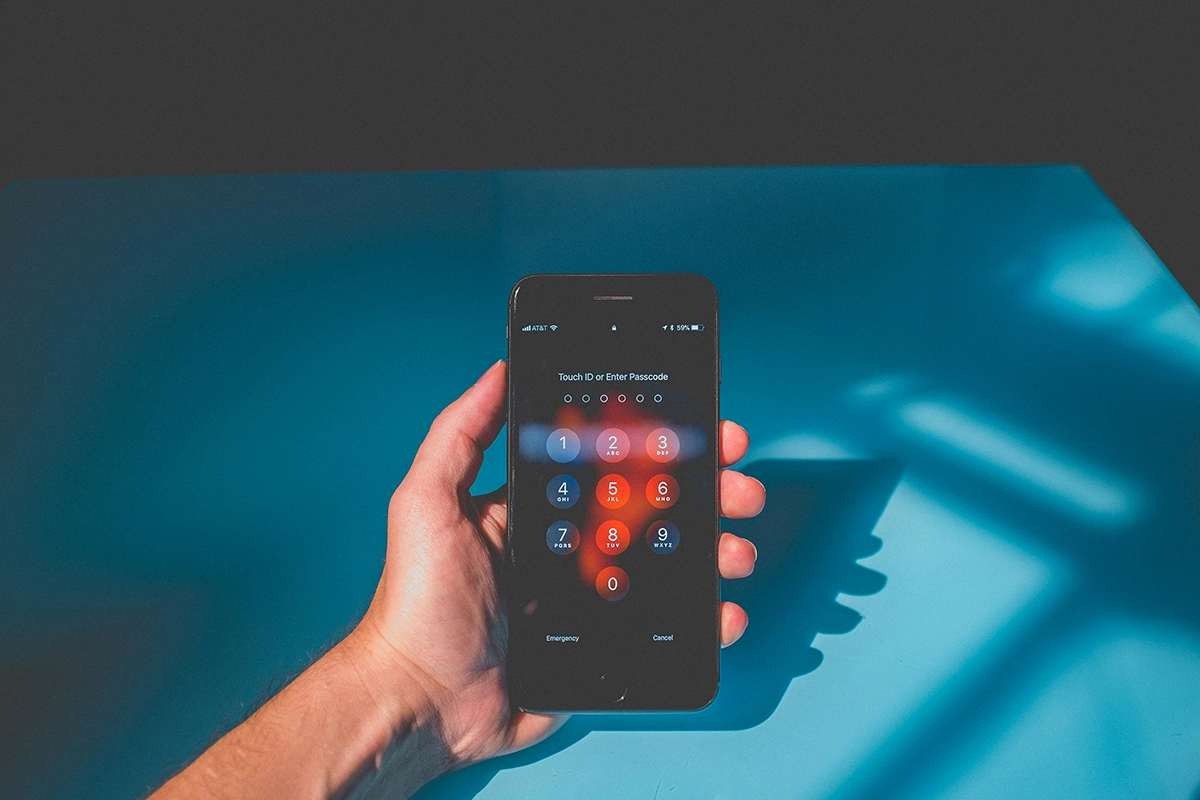
We've all done it. You need to give someone a password quickly, so you type it into an email and hit send. It feels harmless in the moment, but that password now lives in your sent folder, their inbox, and potentially on backup servers you'll never have access to. If either account gets compromised, that password is exposed.
The good news is there are much safer ways to share a password, and none of them are complicated.
Why Email Is a Bad Idea for Passwords
Email is not designed for sensitive information. Messages are stored long-term, often on multiple servers, and are rarely encrypted end to end. A password sent by email can be sitting in plain sight for years, waiting for the wrong person to find it.
Better Ways to Share a Password
1. Use a Self-Destructing Note
This is the simplest and most effective option for most people. You paste the password into a tool like selfdestructingnotes.org, and it generates a one-time link. You send that link to the other person, they open it, read the password, and the note is permanently deleted. No inbox trail, no stored copy, nothing left behind.
It takes about 10 seconds and requires no account or setup.
2. Share It Over an Encrypted Messaging App
Apps like Signal or WhatsApp encrypt messages in transit, which is already better than email. For extra safety, you can enable disappearing messages so the password doesn't sit in the chat history indefinitely. This is a solid option if you already use one of these apps regularly.
3. Say It Out Loud
Old fashioned, but it works. A phone call or in-person conversation leaves no digital record. If the situation allows for it, just read the password aloud. The other person writes it down, and that's it.
4. Use a Password Manager with Sharing Features
Tools like 1Password or Bitwarden let you share passwords directly with other users inside the app. This is the best long-term solution for families or teams who share accounts regularly, since it keeps everything organized and avoids one-off sharing methods entirely.
What to Do After Sharing
Regardless of the method you use, it's good practice to change the password once the other person has had a chance to log in and save it themselves. This way, even if something went wrong during the transfer, the exposed password is no longer valid.
The Bottom Line
Sharing a password securely doesn't require technical knowledge. It just requires choosing the right tool. For a quick, one-off transfer, a self-destructing note is the easiest option available. Give it a try at selfdestructingnotes.org and your password will be gone the moment it's read.